The front garden rule (England)
In England, if you pave more than 5 m² of front garden with an impermeable surface that drains onto the road, you need planning permission. Permeable surfaces – or impermeable ones that drain to a lawn or border – don't need it.
Source: Planning Portal – paving your front garden · last checked 14 November 2026
Listed buildings, conservation areas and flats can have different rules – check with your council.
What 'SuDS' means
SuDS stands for Sustainable Drainage Systems – ways of letting rainwater soak into the ground where it falls, instead of rushing into drains. For a driveway, that means a permeable surface, or a sealed surface that drains to a lawn, border or soakaway on your property.
Your options
Ask installers which of these suits your property:
- Resin-bound: a smooth surface that water drains straight through
- Permeable block paving: blocks with wider joints and a free-draining base
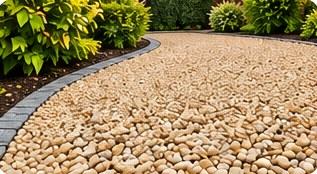
- Gravel, ideally with grids: naturally free-draining
- Tarmac or standard paving that falls towards a lawn, border or soakaway
- A channel drain across the entrance, connected to a soakaway
Ground conditions matter
Water has to go somewhere. On heavy clay soils it drains slowly, so permeable driveways may need a deeper base or extra drainage. Installers will check this at the free site survey.
This guide is general information, not legal advice. Rules can change and vary between councils – always check with yours before starting work.